Affiliate disclosure: PrimeFindSpot independently chooses every topic and recommendation. If you buy through some retailer links, we may earn a commission at no extra cost to you. Availability and retailer terms can change.
Start with the real-life situation
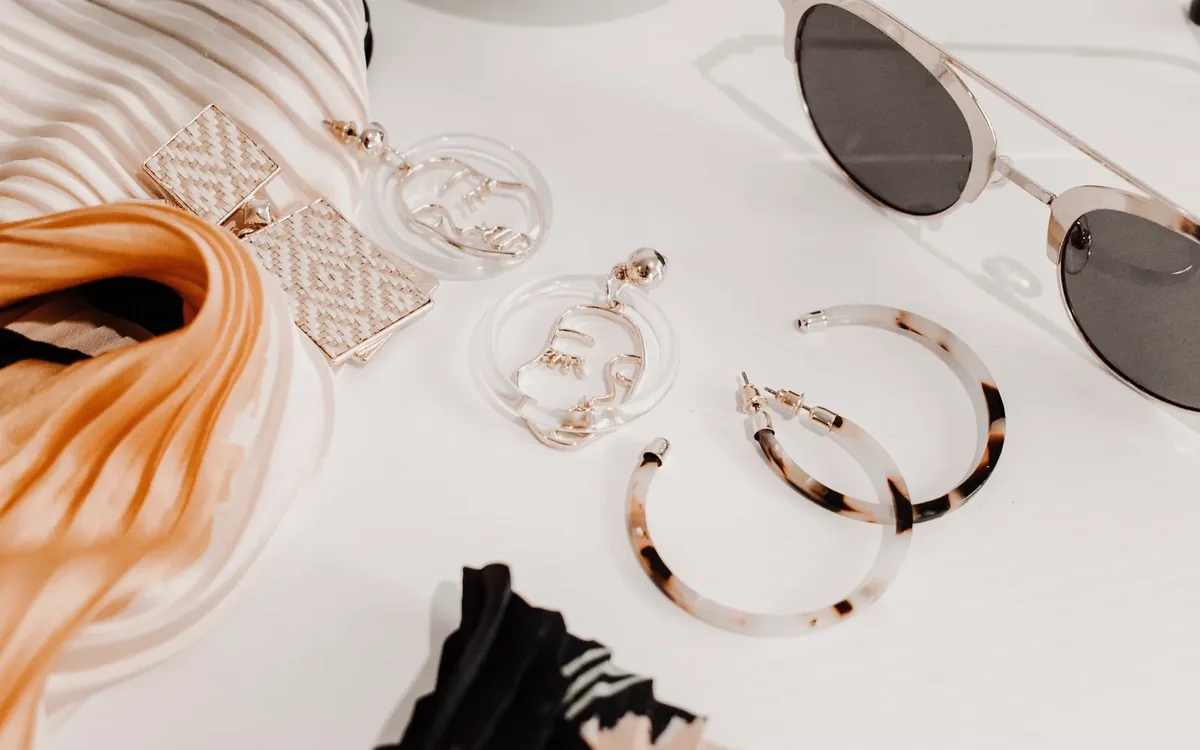
Low morning sun hits the windshield before the same pair is used for an afternoon walk.
That scene is more useful than a page of feature badges. It shows when the product has to work, what else is competing for space or attention, and which compromises will become annoying after the excitement of opening the box has passed.
For this guide, we focus on fit with the routine rather than a universal winner. A good purchase should remove friction on an ordinary day, remain understandable after a few weeks, and be straightforward to maintain.
What matters before you buy
Write down the job you need done before opening retailer tabs. Then compare these priorities in order:
- Comfort at contact points such as straps, clasps, and footbeds. Check the product description, dimensions, materials, and instructions for evidence that it fits.
- Security, organization, and weather exposure during a normal day. Check the product description, dimensions, materials, and instructions for evidence that it fits.
- Proportions that suit the outfit and what must be carried. Check the product description, dimensions, materials, and instructions for evidence that it fits.
- Materials and hardware that can handle the expected frequency of wear. Check the product description, dimensions, materials, and instructions for evidence that it fits.
Avoid judging scale from product-only photography; check measurements, strap drop, closure type, weight, and a realistic return policy.
Three useful shopping paths
How to make the final choice
Start with the version that removes the biggest point of friction in this scene: comfort at contact points such as straps, clasps, and footbeds. Then compare security, organization, and weather exposure during a normal day and proportions that suit the outfit and what must be carried before paying for extras.
When two options look close, use the return window, replacement-part access, cleaning effort, and compatibility with what you already own as tie-breakers. Those details usually matter longer than a bonus accessory or temporary discount.
Before placing the order, confirm the exact model, dimensions, color, quantity, delivery date, and seller. Save the order details and read the setup or care instructions while the return period is still open.
Questions to ask before checkout
Should I choose the cheapest workable option?
Choose the least expensive option that meets the non-negotiable requirements of your routine. A lower price is not a saving if fit, compatibility, or maintenance makes the item difficult to use.
When is an upgrade worth paying for?
An upgrade makes sense when it improves a feature you will use repeatedly—comfort, durability, capacity, repairability, or time saved. Treat occasional novelty features as a lower priority.
How should I compare retailer listings?
Match the model number and included contents first. Then compare current delivery estimates, return rules, seller identity, warranty handling, and total cost. Prices and stock can change after publication.